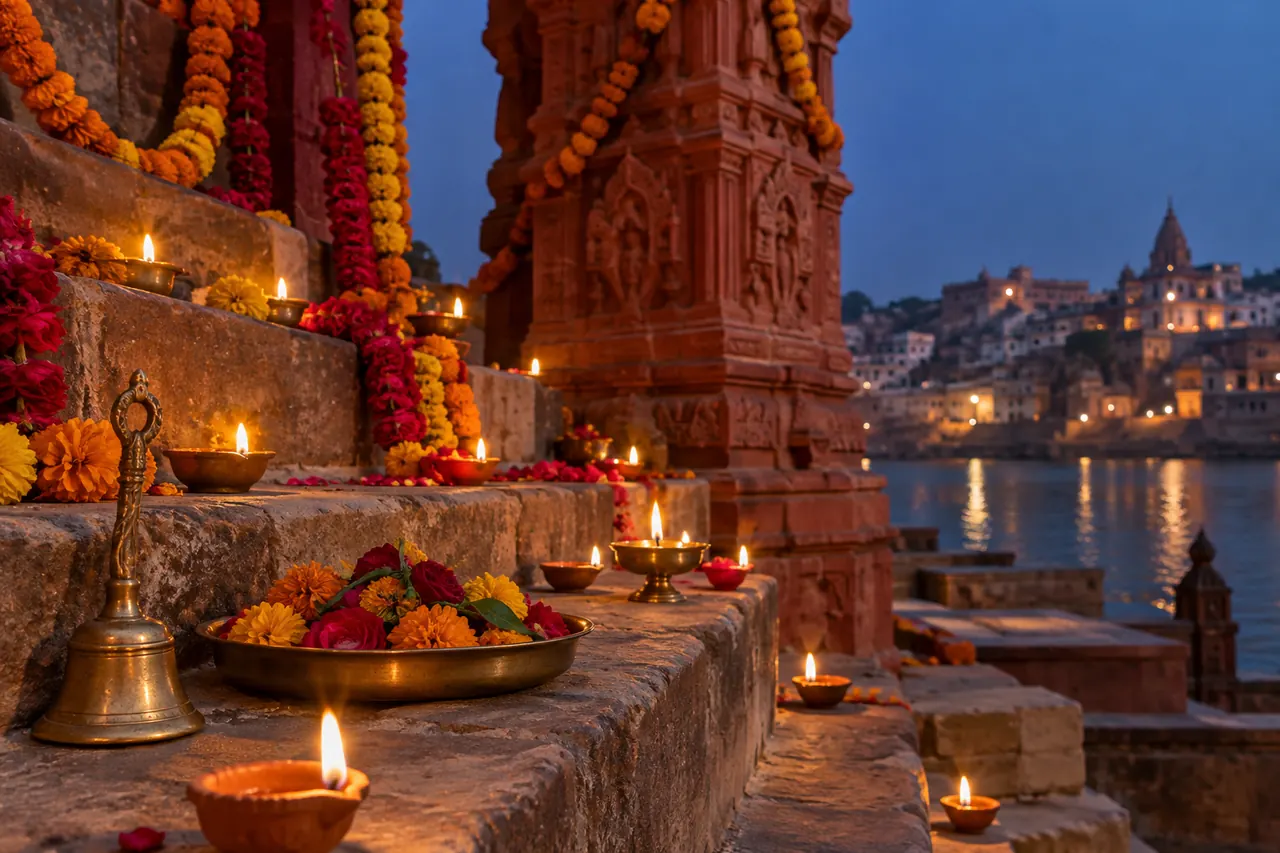
Why the Brahma Temple is special
The Jagatpita Brahma Mandir is one of the very few temples in the world dedicated to Brahma, which makes Pushkar one of the most important pilgrimage towns in India. The present structure is generally dated to the 14th century, though the site is believed to be far older.
Look for the tall red shikhara (spire), the image of the hamsa (swan), Brahma’s vehicle, at the entrance, and the marble floor set with silver coins left by devotees.
The legend of Brahma and Pushkar
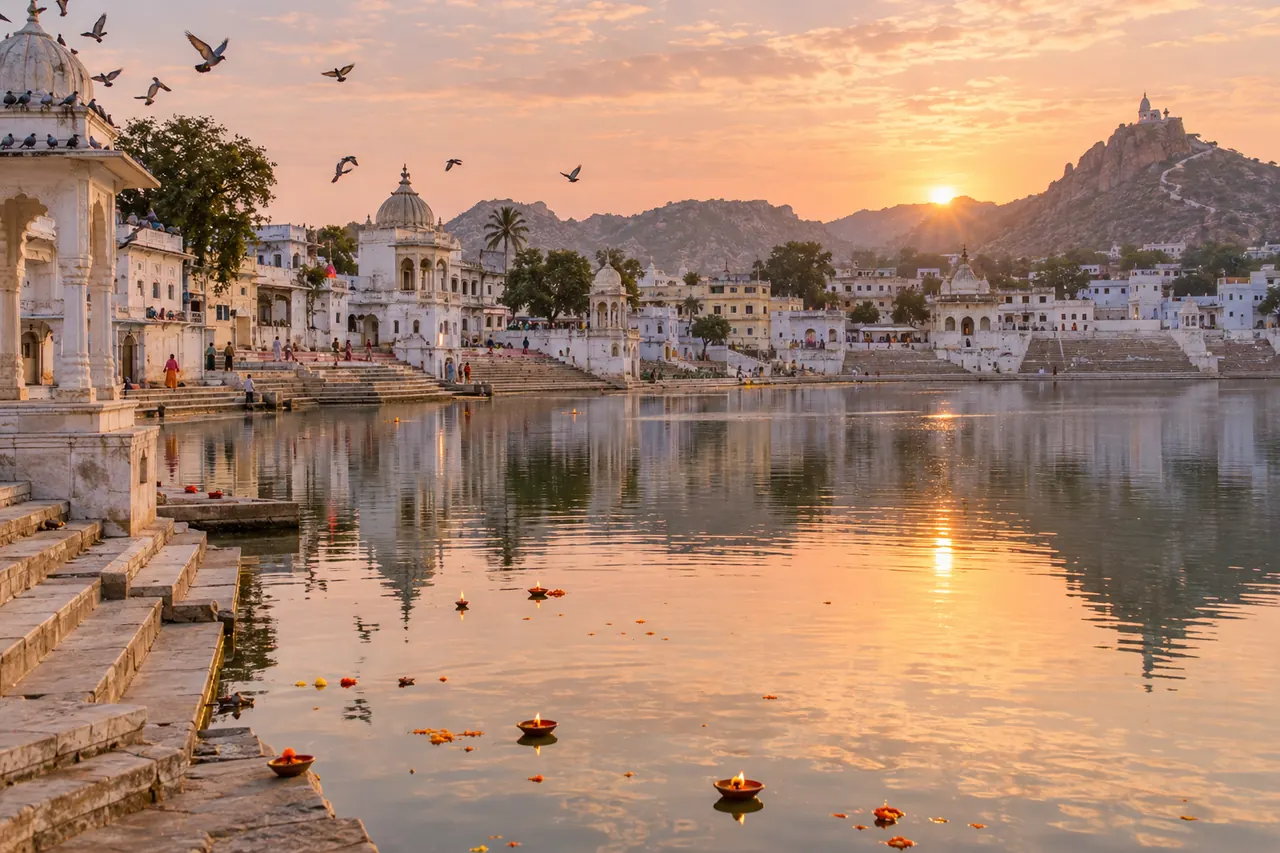
According to the Padma Purana, Brahma dropped a lotus flower to earth, and where its petals fell, lakes appeared. The largest became Pushkar Lake. Brahma then performed a great yagna (fire ritual) here.
Legend says his consort Savitri, angered when the ritual went ahead without her, cursed that Brahma would be worshipped almost nowhere else. She then retreated to Ratnagiri hill, where the Savitri Temple stands today.
Festivals at the Brahma Temple
The temple is busiest during Kartik Purnima, the full moon of the Hindu month of Kartik (October–November), when pilgrims take a holy dip in the lake. This coincides with the Pushkar Fair.
Tips for visiting
A few things to know before your darshan:
- Dress modestly and remove footwear before entering
- Photography is usually not permitted inside the sanctum; follow the signs
- Mornings are quieter; festival days can be very crowded
- Leather items and bags may be restricted; check at the entrance
- Opening hours can change, so confirm locally before you go
Combine it with a desert experience
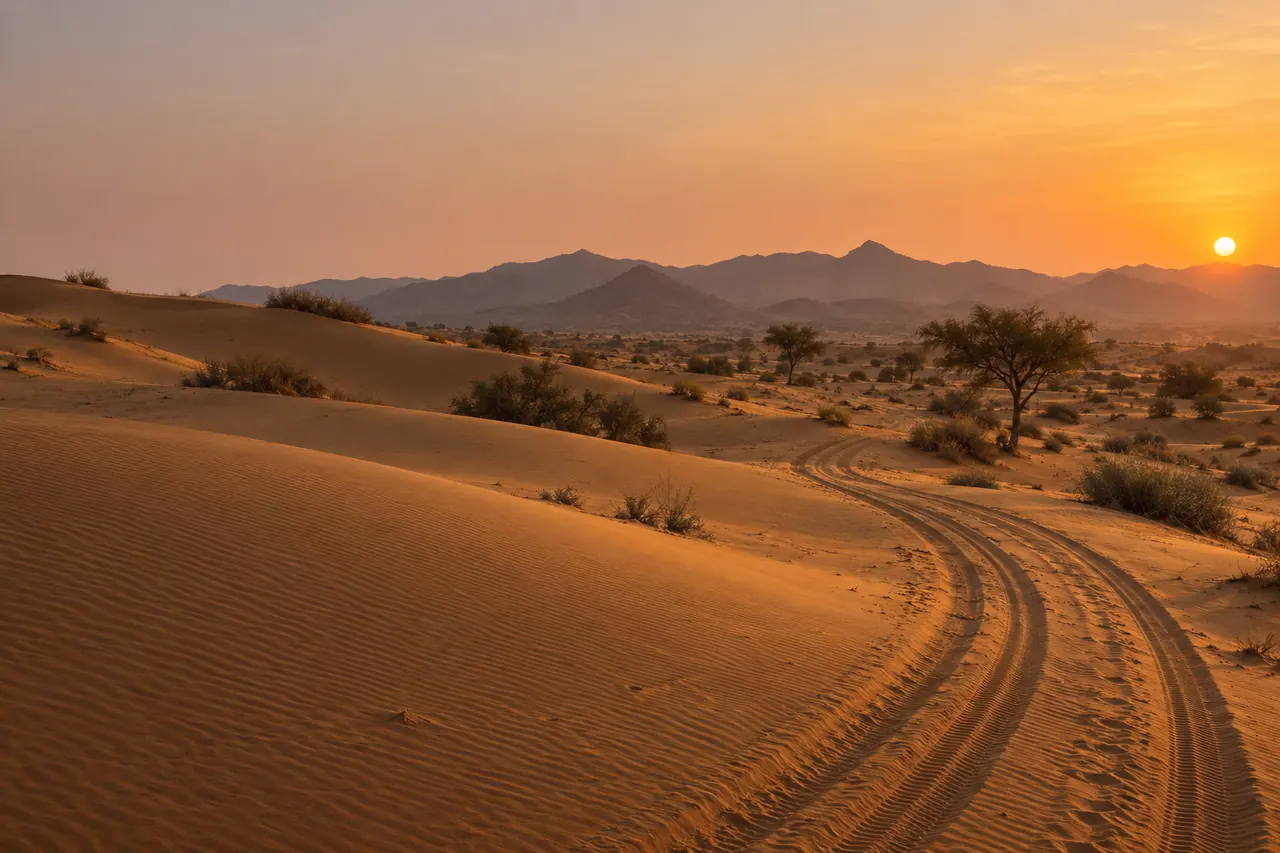
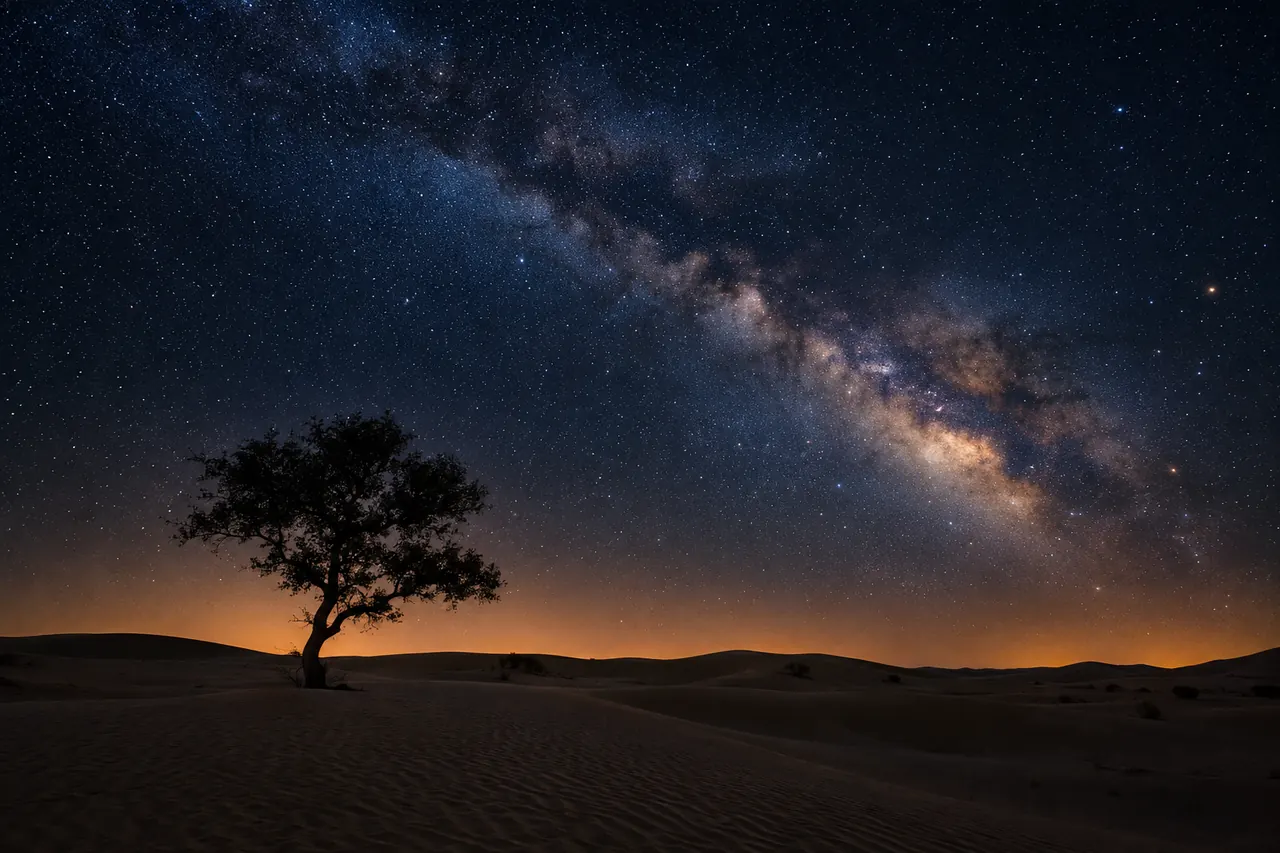
After a morning at the temples and ghats, head out to the dunes for a camel safari and spend the night at our desert camp.