How the programme is published
The official Pushkar Fair programme, with exact times and venues for each event, is released by the Department of Tourism, Government of Rajasthan, and the district administration shortly before the fair. The overview below is based on the traditional format of previous editions and the 2026 lunar calendar, and is intended to help you plan. Event names and days can change.
Before the fair: traders and camels arrive
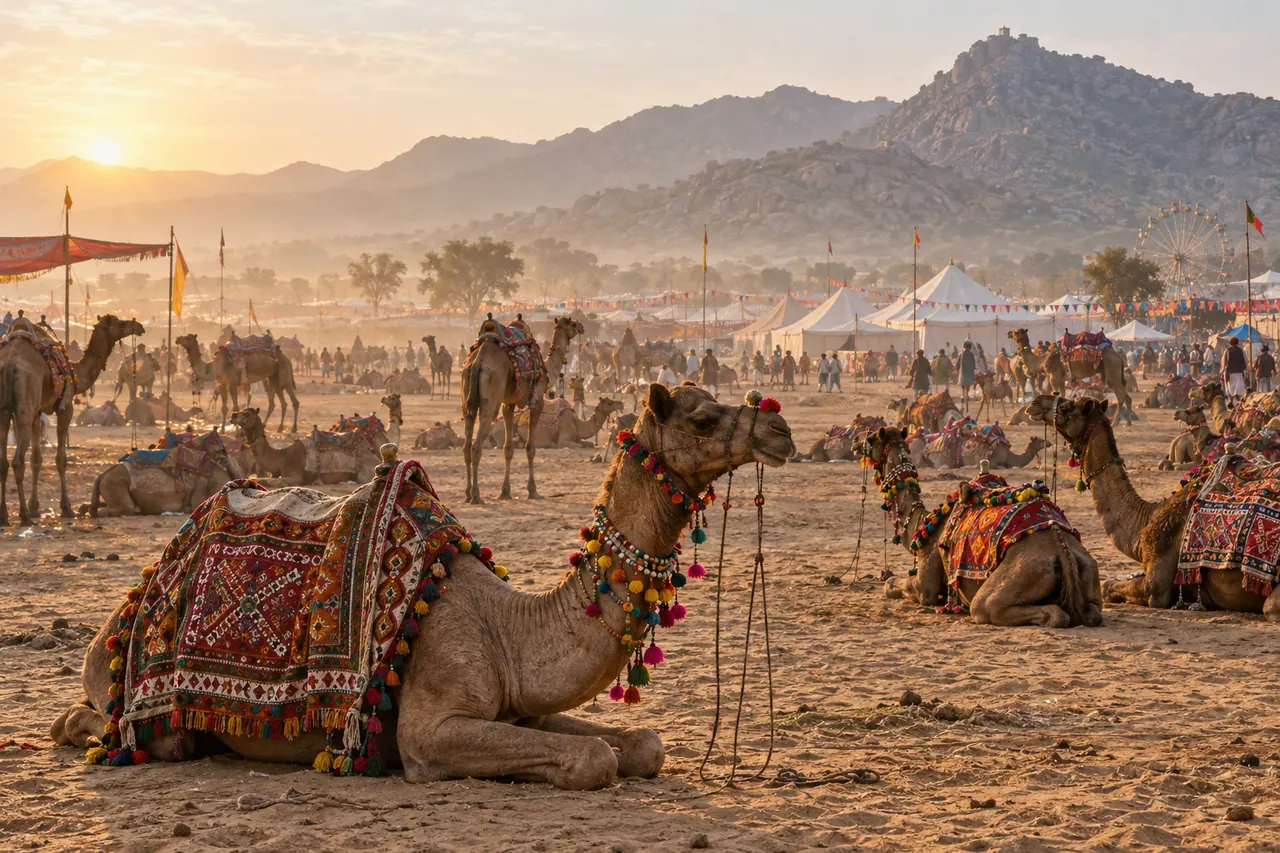
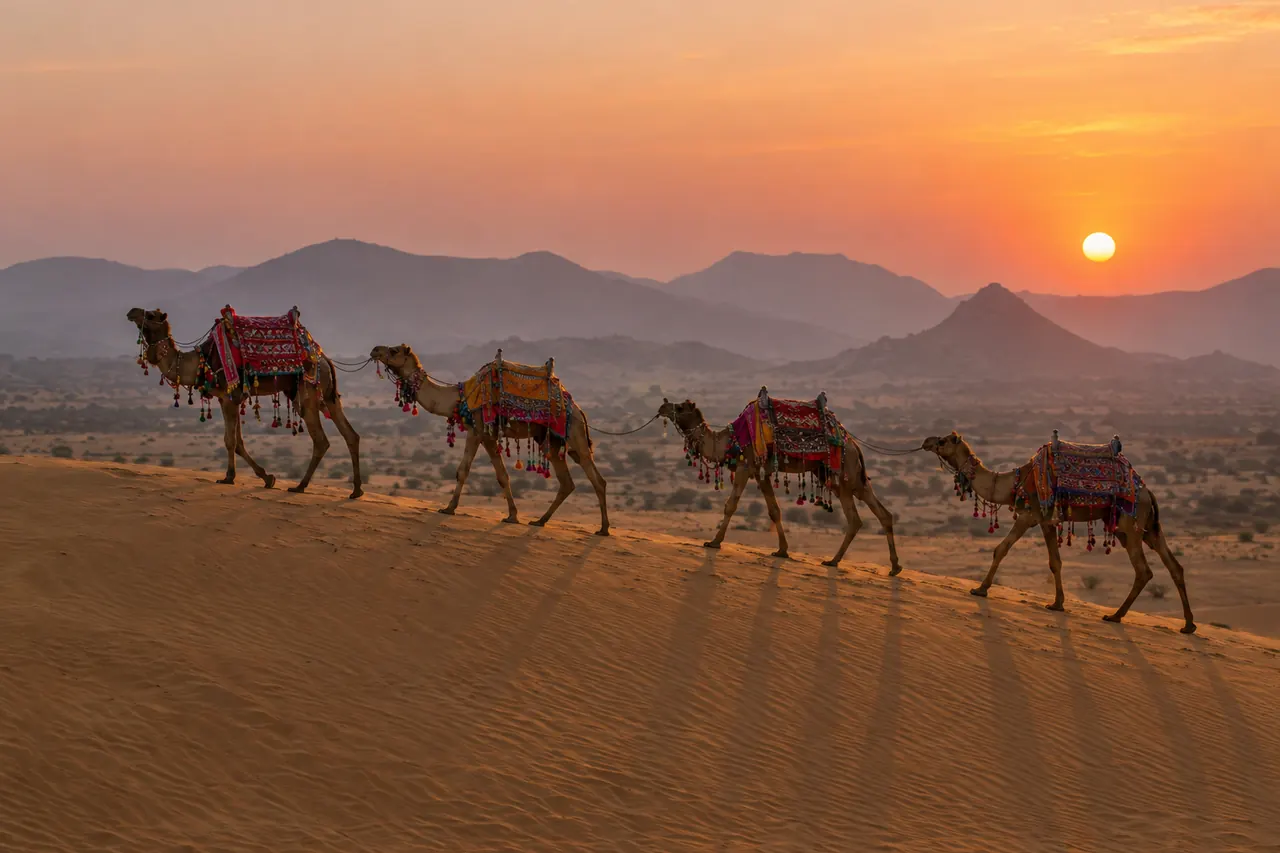
In the days before the official opening, herders and traders arrive with camels, horses and cattle and set up camp on the dunes. For photographers, this is often the most authentic part of the fair, with trading in full swing and beautiful early-morning light.
Opening days (expected from around 17 November 2026)
The fair typically opens with a ceremony at the Mela Ground, followed by:
- Camel and livestock trading and judging
- Camel decoration and camel dance displays
- Folk music and dance on the fairground
- Craft and food stalls, rides and a busy market
Competition days
The middle days are known for light-hearted contests that draw big crowds, such as:
- Longest moustache competition
- Turban (safa) tying
- Matka phod (pot breaking)
- Tug of war and traditional sports such as kabaddi
- Camel races and horse displays
- Bridal and traditional costume competitions
Religious days: Ekadashi to Kartik Purnima
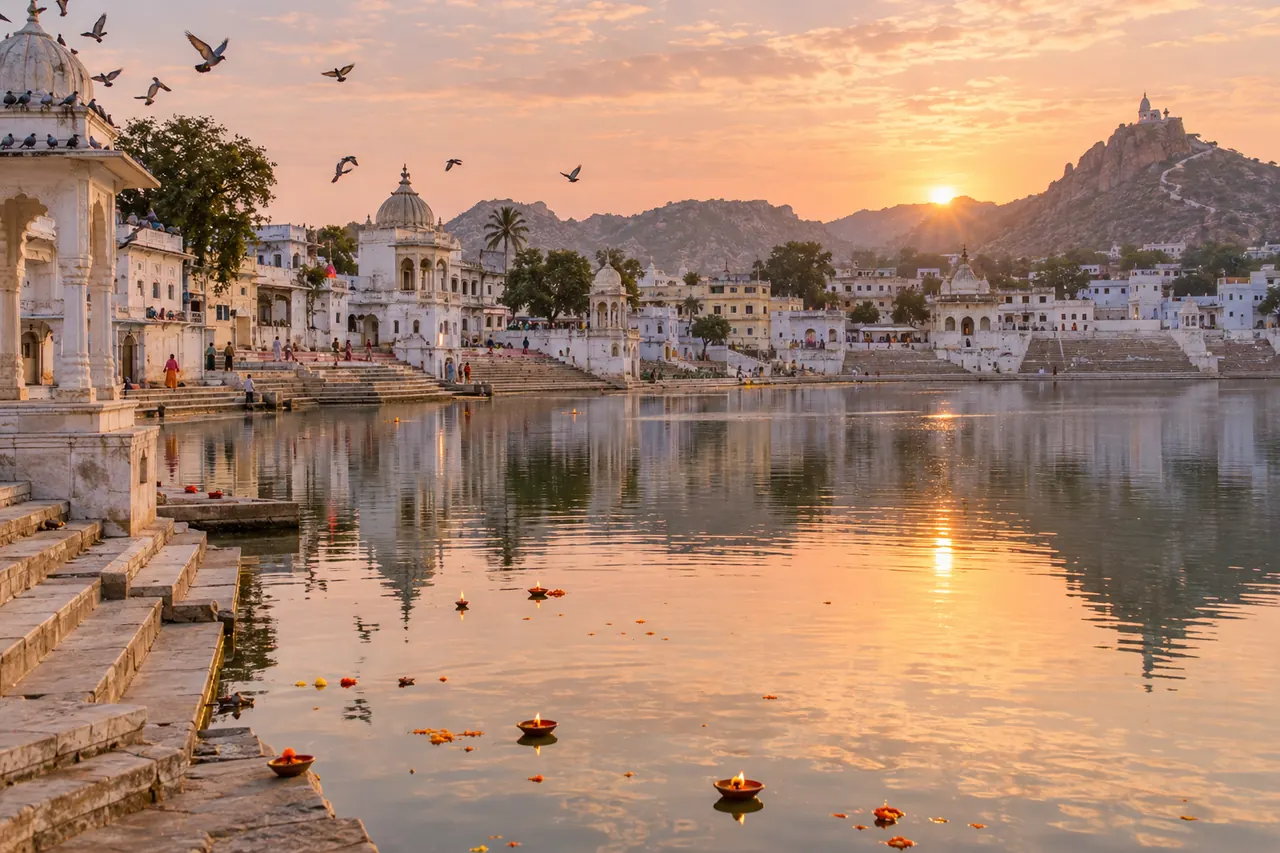
From Kartik Ekadashi the focus shifts to the sacred. Pilgrims arrive in large numbers to bathe in Pushkar Lake and visit the Brahma Temple. Deepdan, when thousands of lamps are floated on the lake, and the maha aarti are highlights of these evenings.
The fair concludes on Kartik Purnima, 24 November 2026, the most auspicious day for the holy dip.
Evenings at the camp
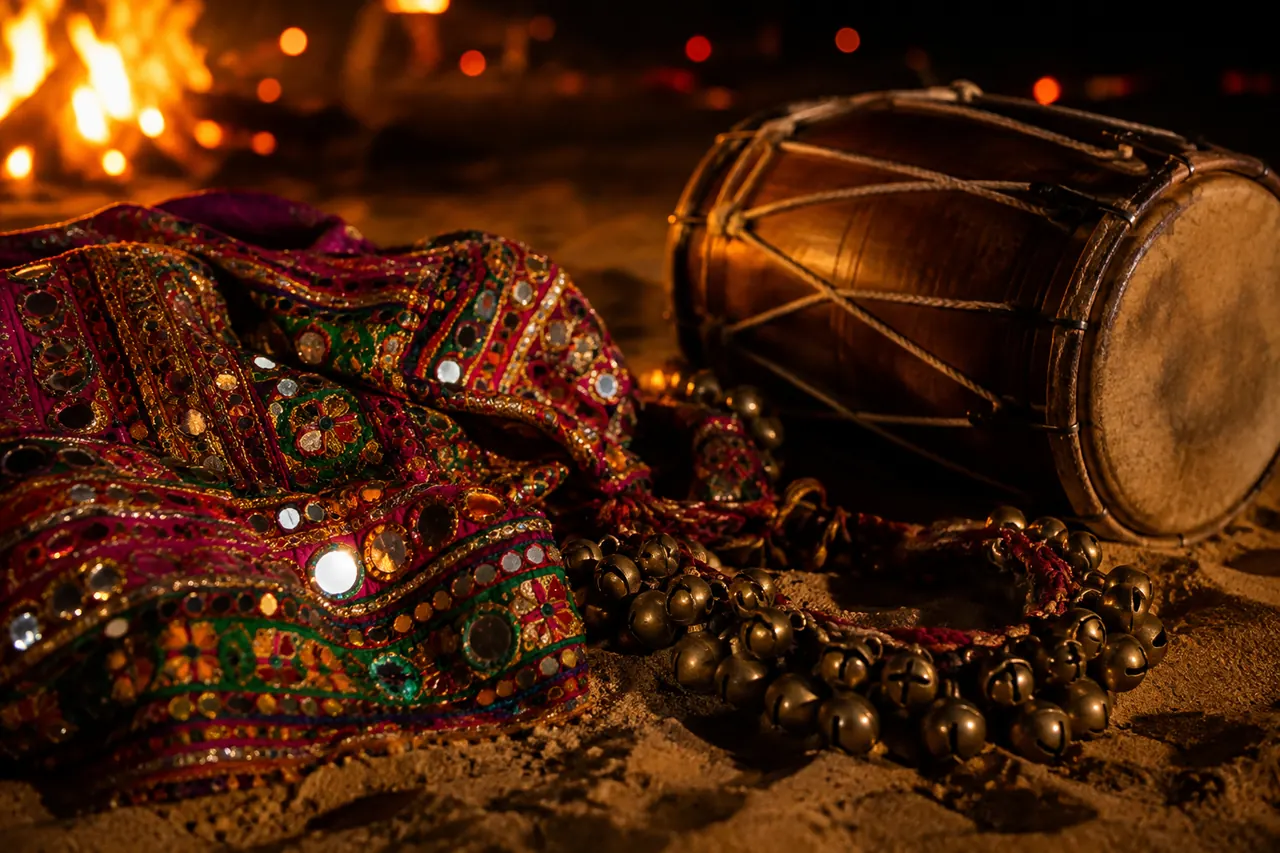
After a day at the mela, return to the dunes for a campfire, dinner and a folk dance and fire show. Read our main Pushkar Fair 2026 guide for stay options.